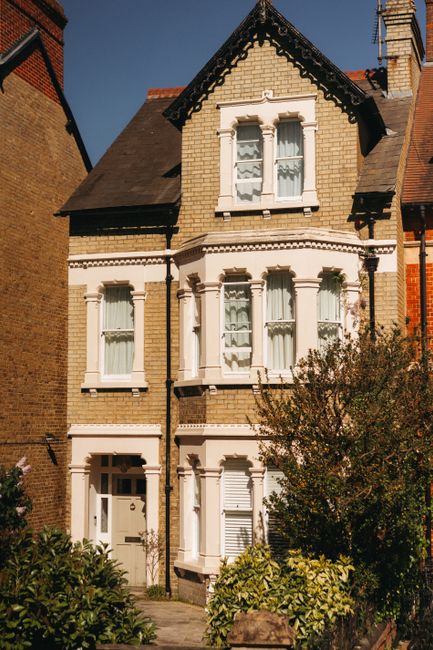
Richmond TW9 House Removals Near Richmond Station: A Practical Local Guide
If you are planning Richmond TW9 house removals near Richmond Station, you already know the tricky part is not just the packing. It is the timing, the access, the parking, the stairs, the lift that may or may not be working, and the general feeling that one wrong decision could slow the whole day down. To be fair, that is exactly why local knowledge matters here.
Richmond Station sits in one of the busier pockets of TW9, so a house move near the station needs a bit more thought than a standard suburban relocation. In this guide, you will find a clear explanation of how the process works, what to expect, how to avoid common headaches, and how to decide which moving option makes the most sense for your situation. We will also cover useful best practices, a comparison table, a realistic example, and a checklist you can actually use.
Whether you are moving into a flat above the shops, out of a family home, or downsizing from somewhere with awkward access, the goal is the same: a calmer move and fewer surprises on the day.
Why Richmond TW9 house removals near Richmond Station Matters
Moves near Richmond Station have a different rhythm from moves in quieter streets. The area is lively, with regular traffic, busier pavements, commuter flow, and the kind of roadside pressure that can turn a simple loading plan into a minor puzzle. If you are moving a family house, a maisonette, or even a compact terrace, the local setting can affect everything from vehicle access to how long the team needs on site.
That matters because removal work is rarely just about lifting boxes. It is about keeping possessions safe while working around real-world constraints. A small delay outside a station-adjacent property can have a knock-on effect: parking windows shrink, neighbours become less patient, and everyone gets a little more stressed. Nobody wants a sofa balanced in the hall while somebody circles the block looking for space. Let's face it, that is the sort of day people remember for the wrong reasons.
For residents in TW9, a well-planned move near the station often means the difference between a controlled, orderly day and one that feels improvised from start to finish. If you are comparing providers, it helps to think beyond the van itself and look at local experience, packing support, insurance, and the quality of communication. The best house removals service is not simply the one with the biggest vehicle; it is the one that understands how Richmond works in practice.
Expert summary: Near Richmond Station, the smartest removal plan is the one that respects access, timing, and loading space as much as it respects the inventory list.
How Richmond TW9 house removals near Richmond Station Works
A good local house move follows a simple pattern, but the details matter. First, there is the survey or quote stage, where the mover asks about property type, item volume, stairs, lifts, parking, and any bulky items. Next comes planning: choosing a time slot, working out the size of vehicle needed, and deciding whether packing help or dismantling support is required.
On moving day, the team usually arrives with the right equipment for the job: protective blankets, straps, trolleys, and tools for furniture assembly. In a station-side area, the loading plan is often the most important part. You may need to position the vehicle carefully, keep walkways clear, and work quickly but safely. If you are moving from a flat, the team may also need to manage shared entrances and narrow stairwells. It sounds small, but it all adds up.
Some households only need a straightforward man-and-van style move, particularly if the property is smaller or the move is short-distance. Others need a fuller removals team, especially if there is a lot of furniture, delicate items, or a tight deadline. For those in between, the flexible man and van option can be a sensible middle ground.
After loading, the driver routes the vehicle to the destination, unloads according to your room plan, and places heavier items where they belong. Good teams will confirm fragile items, check for missing pieces, and make sure nothing has been left in cupboards, sheds, or loft spaces. That final walkthrough is worth its weight in gold, honestly.
Key Benefits and Practical Advantages
Choosing a local move near Richmond Station can give you several practical advantages, especially if the provider is familiar with TW9 streets and parking habits. These benefits are not flashy, but they make a real difference on the day.
- Better timing control: Local crews know when the area is busiest and how to plan around commuter traffic.
- More realistic quotes: A mover who understands the local access conditions is less likely to underestimate the work involved.
- Faster problem-solving: If parking shifts or access changes, an experienced team adapts quickly.
- Reduced handling risk: Better planning means fewer unnecessary moves for your furniture and fewer chances for damage.
- Less stress for you: You can focus on the handover, utilities, and final checks rather than the logistics of every box.
There is also a comfort factor people sometimes overlook. When a mover understands the local roads and property layouts, you spend less time explaining obvious things. The whole conversation becomes calmer, and that matters on a moving day when everyone is a bit tired and a bit on edge. You notice the difference in the first ten minutes.
If your move includes a mix of fragile household goods, awkward furniture, or a tight chain deadline, it may also be sensible to consider packing and unpacking services so the move is more controlled from start to finish.
Who This Is For and When It Makes Sense
This kind of service suits a wide range of people, but it is especially useful for anyone whose move involves access pressures, time constraints, or a fair amount of furniture. If you are moving from a flat above street level, a property with limited parking, or somewhere close to the station where stopping time is restricted, the need for proper planning becomes obvious very quickly.
It also makes sense if you are moving as part of a chain and need the day to stay as predictable as possible. People with children, older relatives, pets, or work commitments often value removals support because it removes a lot of the friction. You can still do some parts yourself, of course, but you do not have to carry the whole job on your back.
Here are some common scenarios where a structured removal service helps:
- family homes with multiple bedrooms and mixed furniture sizes
- flats near Richmond Station with shared access or stair-only entry
- downsizing moves where every item needs deciding on
- short-notice moves where speed and reliability matter
- moves with valuable or fragile household items
If you are mainly moving a smaller load, you might find a movers team or a single-vehicle solution is enough. If the move is larger, a full house movers service may be a better fit. It depends on the job, not the label.
Step-by-Step Guidance
Here is a straightforward way to approach your move without letting it become messy or overly reactive. Keep it simple. Simpler is usually better.
- List what is moving. Start with rooms, big furniture, white goods, boxes, and awkward items like mirrors or bikes. A rough inventory is fine, but be honest.
- Check access at both ends. Look at stairs, lifts, door widths, parking restrictions, and any likely pinch points near Richmond Station.
- Ask for the right service level. Decide whether you need a full house removal, a smaller van-based move, or help with packing too.
- Prepare essentials separately. Keep chargers, documents, medicines, keys, and a kettle box where you can find them quickly. Trust me, you will want that kettle.
- Label by room and priority. Use clear labels such as "kitchen first," "bedroom," or "fragile." It saves time on the other end.
- Protect the awkward items. Glass, artwork, lamps, and dismantled furniture all need a bit more care than a standard cardboard box.
- Confirm arrival and parking details. One message the day before can avoid a lot of faff on moving morning.
- Walk through before departure. Check cupboards, lofts, sheds, and behind doors. People forget the weirdest places.
- Direct unloading room by room. A little direction at the destination helps the day end faster and cleaner.
- Finish with a final check. Make sure furniture is where it should be and that nothing essential has gone missing.
That process sounds obvious, perhaps, but the best moves are often the ones that feel almost boring on the day. Calm. Clear. No dramas.
Expert Tips for Better Results
In our experience, the smallest details often have the biggest impact. A move near a busy station is not the place to improvise your way through things. A bit of discipline at the start saves a lot of time later.
- Book earlier than you think you need to. Local availability can tighten up quickly around weekends, month-end dates, and school holiday periods.
- Measure the largest furniture now. Sofas and wardrobes cause problems when nobody checks the dimensions until the van is already outside.
- Photograph furniture before dismantling. It makes reassembly easier, especially for beds, desks, and shelving.
- Keep a small toolkit handy. Even if the mover brings tools, having your own screwdriver or Allen key can save minutes. Sometimes a lot more than minutes.
- Separate valuables and personal documents. It is best practice, and it keeps the day less anxious.
- Ask about coverage and liability. If an item is particularly valuable or fragile, clarity at the quote stage is better than a rushed conversation later.
A good mover will also talk through the route and any likely access issues in advance. If they sound vague, keep asking. Questions are helpful, not awkward. Would you rather ask once now, or scramble later when the sofa will not turn the corner?
If your household has a lot of mixed furniture or you need a cleaner flow between old and new properties, a service such as home moves can provide a more complete solution than a basic van hire approach.
Common Mistakes to Avoid
Even sensible people make avoidable mistakes during a house move. Usually it is not carelessness. It is timing pressure. You are already juggling keys, utilities, cleaners, school runs, and a hundred small tasks, so one overlooked detail can cause a disproportionate problem.
- Underestimating the volume of items. "It's only a few rooms" can turn into three van loads very quickly.
- Ignoring station-area parking realities. Richmond is not the place to assume stopping space will magically appear.
- Leaving packing to the last night. That is a recipe for stress and broken lamps.
- Not checking access for large items. A wardrobe that fit perfectly in the old house may be a nightmare in the new one.
- Forgetting to tell the mover about heavy or delicate pieces. A piano, marble table, or antique cabinet needs advance planning.
- Skipping the final sweep. People leave chargers, documents, and little sentimental things behind all the time.
Another common issue is choosing a provider based only on the cheapest quote. A low price can be fine if the scope is genuinely smaller, but if the quote looks unusually cheap, ask what is included. Sometimes the difference is simply that packing, dismantling, or insurance cover is not part of the package. Better to know early.
Tools, Resources and Recommendations
You do not need fancy gear to manage a move well, but a few practical tools make life easier. A move is one of those jobs where decent tape, labels, and a marker pen can feel surprisingly important. Basic, yes. Essential, also yes.
- Strong boxes in mixed sizes: Use smaller boxes for books and heavier items, larger boxes for lighter household goods.
- Furniture blankets and covers: These help reduce scuffs during loading and unloading.
- Labels or colour stickers: Good for room-by-room sorting and quick placement on arrival.
- Sealable bags for fixings: Keep screws, bolts, and brackets with the furniture they belong to.
- Phone notes or a paper inventory: Simple, but useful when you are tired.
As for recommendations, start with a provider that offers clear pricing and quotes, so you know what is included before the day arrives. It also helps to review insurance and safety information if you are moving anything fragile, heavy, or high-value. And if sustainability matters to you, it is worth checking recycling and sustainability practices so unwanted items are handled responsibly where possible.
If you are moving from a property with a lot of excess furniture or old items to clear, the furniture pick up option can be useful for leaving the space tidy and avoiding extra trips. Small thing, big relief.
Law, Compliance, Standards, or Best Practice
For house removals in the UK, the main compliance question is less about dramatic legal complexity and more about doing the basics properly. Reputable movers should operate with sensible health and safety practices, suitable insurance, and clear terms that explain what they will and will not handle. That sounds obvious, but it is exactly the kind of thing people skip over when they are busy.
If vehicles are stopping on public roads near Richmond Station, parking restrictions and loading rules may apply. Those are local practicalities rather than abstract paperwork, and they matter because an unmanaged stop can create delays or disruption. Best practice is to plan your access point early, check the likely loading position, and make sure the mover understands any property-specific or street-specific limitations.
It is also sensible to look for transparent service terms, especially if you need help with dismantling, packing, or storage-like handling. Read the terms and conditions carefully so there are no surprises around arrival windows, payment, or what happens if access changes on the day. If you want reassurance about who the business is and how it works, the about us page is a useful place to start.
One more sensible point: if you have any questions about payment method, data handling, or how your booking details are managed, check the provider's payment and security and privacy policy pages. Not glamorous reading, I know, but helpful.
Options, Methods, or Comparison Table
There is no single best moving method for everyone. The right choice depends on budget, load size, access, and how much support you want on the day. Here is a simple comparison that may help.
| Option | Best for | Typical strengths | Possible drawbacks |
|---|---|---|---|
| Man and van | Smaller moves, short-distance relocations, lighter loads | Flexible, efficient, often cost-conscious | Can be less suitable for larger households or many bulky items |
| Full house removals | Family homes, multi-room properties, bigger furniture loads | More support, better for complex access, often less stressful | Usually higher cost than a minimal load move |
| Packing and removals combo | Busy households, fragile items, time-poor movers | Less stress, better organisation, faster moving day | More upfront planning required |
| Truck hire with help | Larger, straightforward loads where you want more control | Useful capacity, suitable for heavier furniture | You may still need to coordinate more yourself |
If your move is near Richmond Station and access is tight, a more complete removals team is often the safer bet. If you are moving from a compact property with a short list of items, a smaller solution may be perfectly adequate. There is no prize for overcomplicating it.
For people comparing service styles, pages like man with a van and removal company can help frame the difference between lean, flexible support and a more structured moving service.
Case Study or Real-World Example
Imagine a couple moving from a two-bedroom flat a short walk from Richmond Station to a townhouse elsewhere in TW9. On paper, it sounds simple. In reality, they have a wardrobe that will not fit through the bedroom door assembled, a dining table with detachable legs, and a collection of boxes that somehow multiplied during packing week. Very familiar story.
They start with a basic inventory and a quick access check. The mover asks about stairs, lift access, and where the van can stop without causing disruption. The couple realise they will need packing help for the kitchen because the glassware alone is going to take longer than expected. They also agree to keep essentials separate: keys, documents, one kettle box, bedding, and the children's school bags.
On moving morning, the van arrives at an agreed time slot, the loading route is kept clear, and the team works room by room. The move is not magic. It is just organised. The sofa is wrapped properly, the wardrobe is dismantled and reassembled, and the couple finish with enough energy left to make a cup of tea rather than collapsing on the floor. Honestly, that last part feels like victory.
What made the difference was not luck. It was choosing the right level of service and not assuming the job could run itself. That is often the real lesson with station-area moves: the fewer assumptions, the better.
Practical Checklist
Use this checklist in the final week before your move. It is not fancy, but it works.
- Confirm your move date and arrival window
- Check parking and loading access near Richmond Station
- Finish a room-by-room inventory
- Separate essential items and valuables
- Label boxes clearly by room
- Protect fragile items with suitable wrapping
- Dismantle furniture if agreed in advance
- Keep tools, charger cables, and documents with you
- Notify your mover of any awkward items or access changes
- Do a final sweep of cupboards, lofts, and storage areas
- Check utilities, keys, and handover details at both properties
- Review your booking terms and payment details before moving day
If you are still deciding between services, it can help to compare a more general removals option with a lighter removals near me search result and see which one actually matches your access needs rather than just your search terms. That small pause can save a lot of noise later.
Get a free quote today and see how much you can save.
Conclusion
Richmond TW9 house removals near Richmond Station are easiest when they are treated as a planning exercise, not just a lifting job. Access, timing, packing, and vehicle choice all matter. Get those right and the whole day feels lighter. Get them wrong and even a small move can feel like hard work.
The good news is that most problems are avoidable. A clear inventory, early communication, and the right level of help will carry you a long way. And if you are moving from a station-side property with awkward parking or shared access, local experience is worth looking for. It really is.
When the boxes are stacked, the kettle is found, and the last room is finally in order, the pressure lifts quickly. That quiet moment at the end is usually the best part.
Frequently Asked Questions
How far in advance should I book Richmond TW9 house removals near Richmond Station?
Ideally, book as early as you can, especially if you are moving on a weekend, at month-end, or during school holidays. Earlier booking gives you more choice and usually makes it easier to coordinate parking and access.
Is a man and van enough for a house move near Richmond Station?
Sometimes, yes. If you are moving from a small property with a limited number of items, a man-and-van setup may be perfectly suitable. For larger homes or awkward access, a fuller removals service is often the safer option.
What makes moving near Richmond Station more difficult?
The main issues are parking, traffic flow, pedestrian activity, and limited stopping space. Even if the move itself is straightforward, access near the station can add complexity and affect timing.
Should I pack everything myself before the movers arrive?
Not necessarily. Many people pack the easy items themselves and ask for professional help with fragile, bulky, or time-consuming belongings. Packing support can be helpful if you are short on time or want a more structured move.
Do removal teams dismantle furniture?
Often they can, but you should check in advance. Bed frames, wardrobes, and modular furniture are common examples where dismantling and reassembly can save time and reduce damage risk.
How can I reduce the risk of damage during the move?
Use proper packing materials, label fragile boxes clearly, secure loose parts in bags, and make sure the mover knows which items need extra care. Good loading practice matters too, especially when access is tight.
What should I keep with me on moving day?
Keep keys, ID, medicines, chargers, important documents, and a basic overnight bag with you. It is also wise to keep any sentimental or hard-to-replace items separate from the main load.
Are house removals near Richmond Station more expensive?
They can be, depending on access, parking, and the size of the move. The station area may require more careful planning, but the exact price depends on the actual job rather than the postcode alone.
How do I know whether I need full house removals or a smaller service?
If you have multiple large furniture pieces, several rooms of boxes, or access that looks challenging, a fuller service is usually better. If the move is light and straightforward, a smaller vehicle-based option may be enough.
What should I ask before confirming a quote?
Ask what is included, whether packing or dismantling is covered, how parking and access are handled, what insurance is in place, and what happens if the timing changes. Clear answers now prevent confusion later.
Can I get help with unwanted furniture during the move?
Yes, some moves involve clearing items as well as transporting belongings. If you have furniture to remove, a furniture collection or pick-up option can help reduce clutter before the main move.
Where can I learn more about the company before booking?
It is sensible to read the provider's about page, service pages, and policy information before deciding. For example, the pages covering house removals, pricing, insurance, and terms can help you understand how the service works and what to expect.